Wedding
Wedding Planning Checklist: Everything You Need Before the Big Day
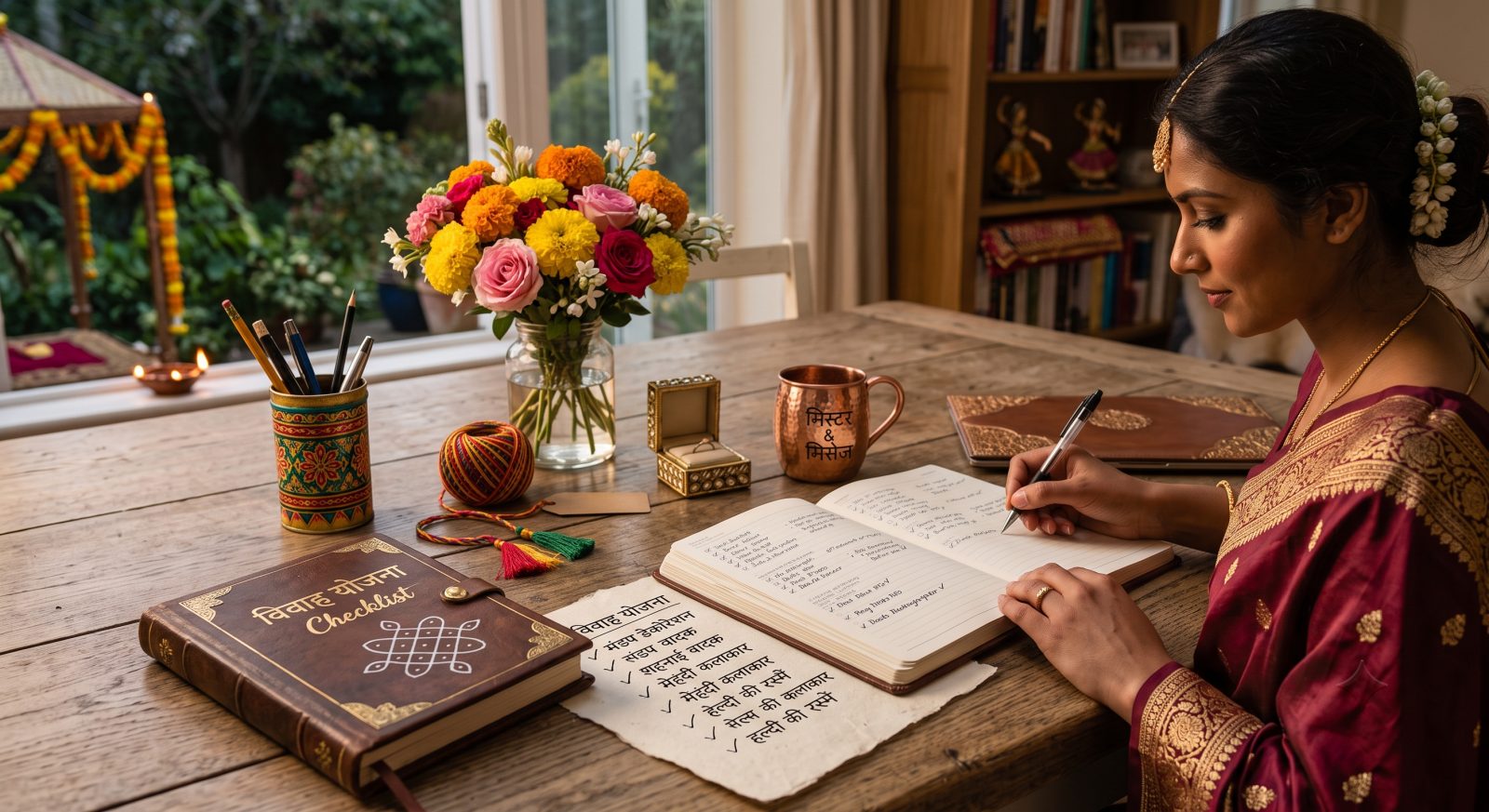
Most couples underestimate how many small decisions sit between an engagement and a wedding day. It isn't one big plan. It's around 200 little ones, and they don't all belong in the same month. A wedding planning checklist works because it splits those decisions across a timeline, so you're never doing the caterer tasting and the guest-list argument in the same weekend. Below is the full sequence, from 12 months out down to the morning of. Follow it in order and nothing important gets left until it's too late to fix.
How far ahead should you start planning a wedding?
Start 9 to 12 months before the date for a full-scale wedding of 200 or more guests. That window matters most for two things: the venue and the guest list, because everything else depends on them. Popular banquet halls in a city like Bangalore book their peak-season Saturdays 8 to 10 months out, and your final headcount decides your budget, your catering order, and how big a hall you actually need. If you're planning a smaller ceremony of under 100 people, 6 months is enough. Elopements and registry weddings can come together in 6 to 8 weeks.
12 to 9 Months Before: Set the Foundation
This phase is about the four decisions that lock everything else in place. Get these right and the rest of the checklist is mostly logistics.
- Set the budget first. Decide the total number before you look at anything, then split it: venue and catering usually take 50 to 55 percent, so anchor that first.
- Draft the guest list. You need a rough headcount before you can book a venue. Build it in three tiers, must-invite, should-invite, and if-space, so you can trim later without redrawing the whole thing.
- Pick the date and a backup. Check for clashing festivals, long weekends, and family availability. Keep a second date ready in case your first-choice venue is taken.
- Book the venue. This is the single most time-sensitive task on the list. Once the venue and date are confirmed, everything downstream has a fixed point to work from.
What should you book first when planning a wedding?
Book the venue first, before the caterer, the photographer, or anything else. The date you can actually hold depends on what the venue has free, and the vendors you hire next need to know where they're working and how many people they're serving. Once the hall is confirmed, you can lock your date and start booking around it. Couples who reverse this order, hiring a photographer they love before securing a venue, often end up rescheduling one to fit the other.
9 to 6 Months Before: Lock the Vendors
With the venue set, this is when you fill in the team. Good vendors in each category book out early, so treat this phase with the same urgency as the venue itself.
- Caterer or confirm in-house catering. Many banquet halls include catering; if yours does, do the menu tasting now. If not, book an external caterer and confirm they're allowed on-site.
- Photographer and videographer. The best ones book a year ahead. Review full wedding albums, not just highlight reels.
- Decor and floral. Share your colour palette and a few reference images. Confirm what the venue already provides so you're not paying twice.
- Entertainment. DJ, live band, or emcee. Ask what the venue's sound system can handle before you sign.
- Officiant or priest. Confirm availability and any rituals that need specific timing or space.
A quick note on the venue choice, because it decides how hard this phase is. Couples comparing wedding venues in Bangalore often find that halls offering in-house catering and decor cut this list nearly in half, because you're coordinating with one team instead of five separate vendors who've never worked together. A venue that handles food, seating, and staging under one roof also means one point of contact when something changes, and something always changes.
6 to 3 Months Before: Invitations and Details
The big bookings are done. Now the wedding starts to feel real, and the work shifts to communication and the personal touches guests actually remember.
- Finalize the guest list and send save-the-dates. Trim your tiered list down to the real number the venue can hold.
- Order or design invitations. Physical cards need 4 to 6 weeks for printing; digital invites are faster but confirm everyone can open them.
- Order outfits. Bridal and groom wear, plus any coordinated family outfits, need time for tailoring and fittings. Start now, not later.
- Plan the menu in detail. Confirm dietary options, a live counter if you want one, and the final per-plate count.
- Book accommodation for outstation guests. Block a set of rooms near the venue and share the details early.
What is a realistic wedding planning timeline?
A realistic timeline runs across four phases: 12 to 9 months for the venue, date, budget, and guest list; 9 to 6 months for vendors; 6 to 3 months for invitations and outfits; and the final 3 months for confirmations and rehearsals. The mistake most couples make is compressing the first phase and stretching the last. The venue and vendor decisions are the ones with hard deadlines set by other people's calendars. The final month is mostly checking things you already arranged, which feels busy but rarely goes wrong if the earlier phases were done properly.
3 to 1 Months Before: Confirm Everything
No new decisions here. This phase is one job: turn every arrangement into a written confirmation with a time attached.
- Reconfirm all vendors in writing. Get arrival times, contact numbers, and exactly what each one is delivering.
- Finalize the timeline for the day. Hour by hour, from setup to send-off. Share it with the venue and every vendor.
- Confirm the final headcount. This is the number your caterer and venue bill against, so chase the last RSVPs now.
- Arrange transport. For the couple, close family, and any guests who need it.
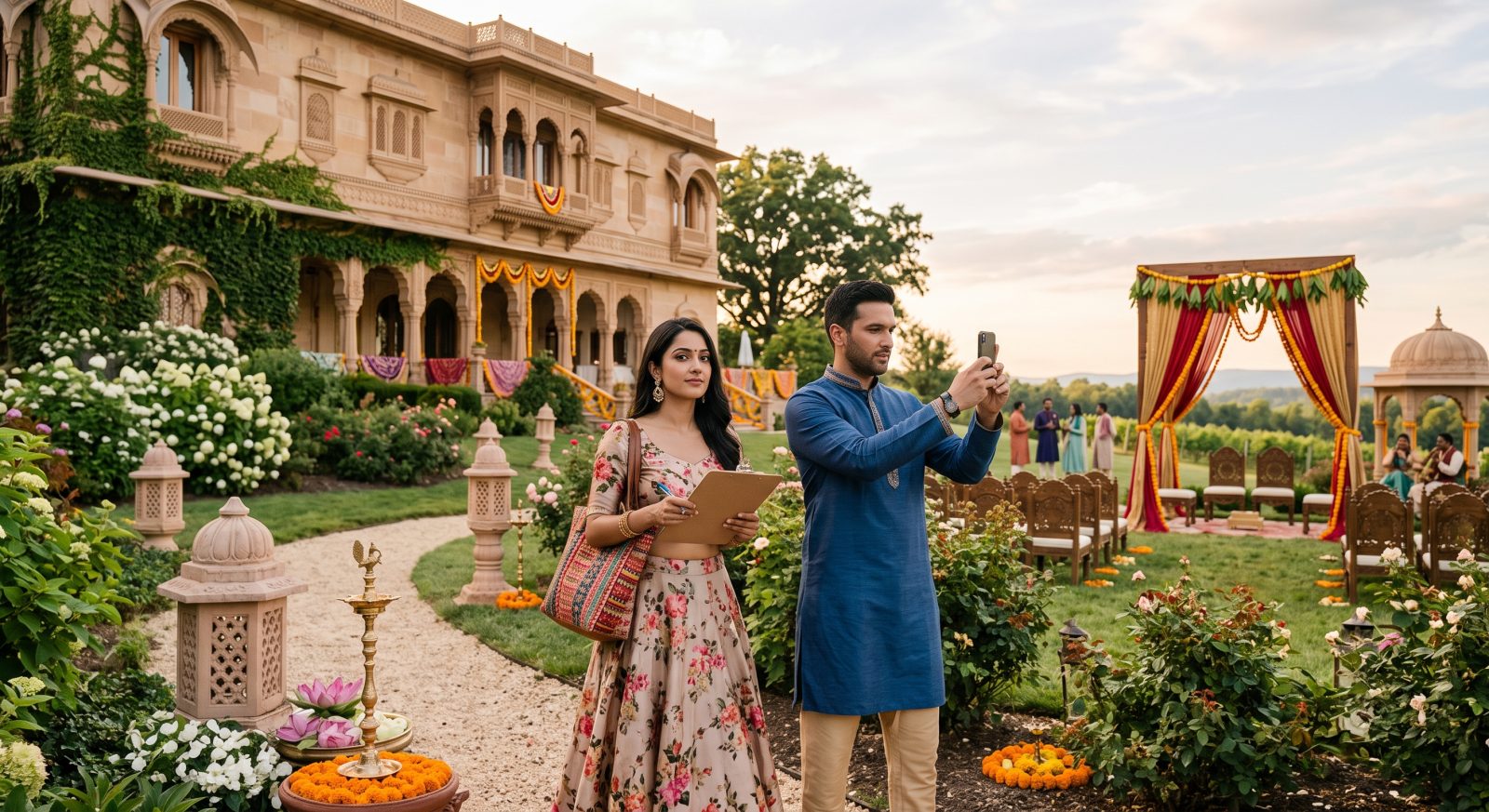
- Do a final venue walkthrough. Stand where you'll stand, check the flow of the space, and confirm where each part of the day happens.
The Final Week and Day-Of Checklist
By now everything is booked and confirmed. The last week is about handing off, not doing. Assign a coordinator or a trusted friend to run the day so you're not fielding vendor calls in your wedding outfit.
- Pack an emergency kit: safety pins, a sewing kit, pain relief, tissues, a phone charger, and copies of every vendor contract.
- Hand vendor payments and tips to your coordinator in labelled envelopes.
- Confirm the day-of timeline one last time with the venue manager.
- Eat a proper breakfast. Genuinely, most couples forget and regret it by the reception.
- Hand over your phone. Let someone else field the calls so you can actually be present.
What do most couples forget on their wedding checklist?
The commonly forgotten items aren't the big bookings, they're the small logistics: a wet-weather backup plan, a designated person to hold gifts and envelopes, vendor meals for a long shoot, a shot list for the photographer, and someone assigned to return rented items the next day. None of these are expensive or hard. They just fall through because they don't belong to any obvious phase. Add them to your final-month list on purpose.
The Short Version
Book the venue first, 9 to 12 months out, because it fixes your date and your headcount. Lock your vendors in the next three months. Send invitations and sort outfits by the three-month mark. Spend the final month confirming, not deciding. And choose a venue that bundles catering and decor if you'd rather manage one team than five. Do it in that order and the day itself runs on its own momentum, which is exactly what you want when you'd rather be enjoying it than running it.