Costs and contracts
Reading a 200-guest banquet invoice, line by line
The quote said one number. The invoice says another, and it is bigger. Almost always the two documents are both honest — the quote priced the food, and the invoice priced the event.
This is a 200-guest banquet invoice read from top to bottom, with what each line is and where the number comes from. The figures are ours; the structure is the same everywhere in Bangalore.
Line 1 — Food: per plate × the billed headcount
This is the line everyone compares between venues, and the one people misread. It has two variables, not one.
The rate is straightforward: ours starts at ₹599 vegetarian and ₹650 non-vegetarian. The multiplier is where the surprise lives, because it is not necessarily your guest count. It is the higher of your actual headcount and the hall's minimum.
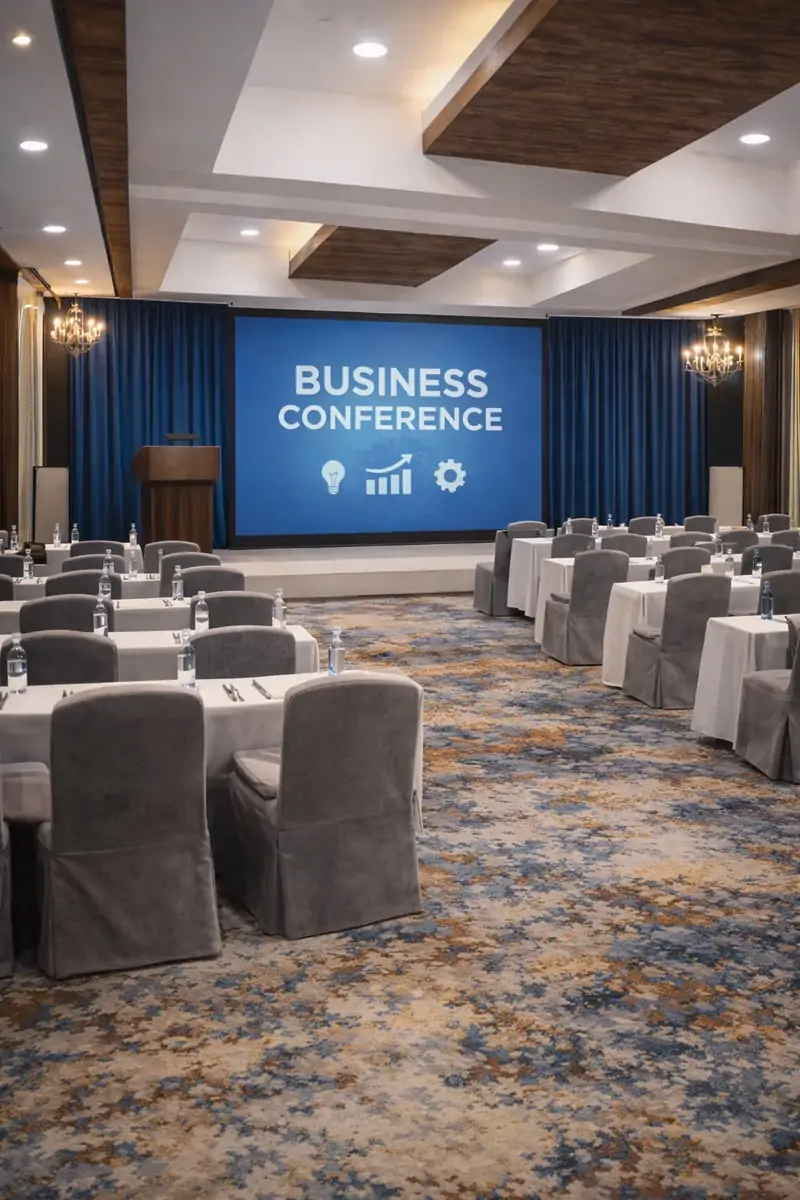
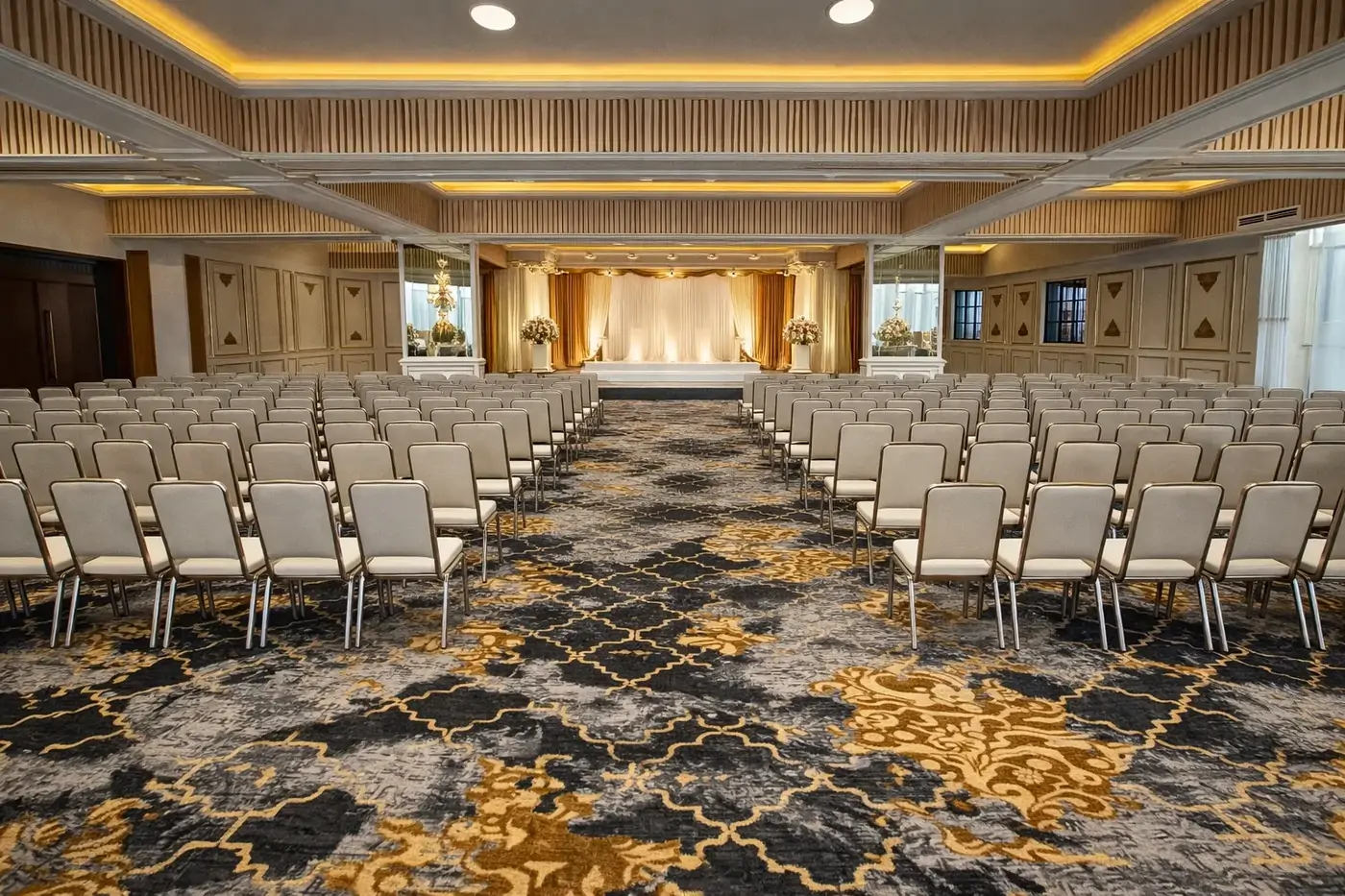
At 200 guests in a hall whose floor is 180, the minimum is irrelevant and you pay for 200. At 150 guests in the same hall, you pay for 180. The flagship’s three halls seat 50–100, 100–180 and 180–300 guests, so a 200-guest function sits in the large hall and bills at 200.
200 vegetarian plates at ₹599 = ₹1,19,800. That is the food line, and nothing else.
Line 2 — Hall rent, on an hourly slot
Food does not include the room. Hall rent is a separate line here, priced on hourly slots, and it is the line most often missing from a competitor's headline number.
Two consequences. Your comparison between venues is meaningless unless both quotes show this line. And because the rent is hourly, the slot has an end time — which leads directly to the next item.
Line 3 — Overtime
Events run long. Not through carelessness: a reception invited for seven fills at eight, and the reason is traffic on Hosa Road rather than anything happening inside the hall.
Overtime is billed by the hour against the slot you booked. The fix is not optimism, it is booking the slot your family will actually use. If the card says seven and everyone you know arrives at eight, book from eight. It costs less to book the hour than to run into it.
Line 4 — Beverages
Outside liquor is not permitted here, and the bar runs in-house under the venue's own excise permit. That is a firm position you can budget against, and it is worth confirming in writing at every venue you consider, because it is the single largest variable line on most event bills.
Decide the format before you sign — open bar, limited pours, soft drinks only — not at the tasting and not in the final week.
Line 5 — Menu additions made after the quote
The quote priced a specific menu. Then the tasting happens, someone's mother suggests a live counter, a second sweet is added because the first was divisive, and the per-plate rate is no longer the rate you agreed.
Add what you like — but ask for the revised per-plate figure at the moment you add it. Each addition sounds like nothing. Four of them across 200 plates is a real number.
Line 6 — GST, at 18%, on top
Our rates are quoted exclusive of GST, as most Bangalore venues quote. On the food line alone, 200 plates at ₹599 becomes ₹1,41,364 once tax is applied.
Do this arithmetic on every quote you collect. A venue quoting inclusive of tax and one quoting exclusive can look forty thousand rupees apart while being identical.
Line 7 — Rooms, if guests are staying
We have 52 rooms on site at ₹2,500 to ₹3,000 a night. For a wedding with outstation family this is usually a saving rather than a cost — the alternative is guests scattered across hotels and a morning spent arranging cars. But it is a separate booking and a separate bill, and it belongs in the budget from the start.
What does not appear on our invoice
Since the point of this piece is that the quote is not the whole bill, it is only fair to say where the bill stops:
- Outside decor — bring your own decorator, no fee, no preferred-vendor requirement.
- Outside cake — bring it, no cutting charge.
Both are routinely charged for elsewhere, sometimes at a meaningful share of the decor budget. Check them explicitly wherever you are comparing.
Outside catering is a separate matter: in-house catering is the default and it is what holds the per-plate price you were quoted. Outside caterers are considered case by case with prior written approval — not a yes by default, not a no by default, and something to settle before signing rather than assume.
The one line to ask for
You do not need to memorise this. You need one sentence, sent to every venue you are considering:
Please send the all-in total for my date, headcount and slot — food, hall rent, minimum, taxes, and anything else that will appear on the final invoice.
The answer tells you what the event costs. How quickly and completely it arrives tells you how that venue will behave in the week before your function, which is the more useful signal.
For that number from us: +91 88843 31096 or events@theveloriagrand.com. Give us the date, the headcount and roughly when you want to start and finish.